The Benefits of Investing in Dance Classes for Children
Investing in dance classes for children can be a transformative experience, offering numerous physical, mental, and social benefits. From preserving physical health by helping children burn energy to fostering creativity and self-discipline, dance can play a pivotal role in holistic child development. Moreover, dance classes are a fantastic avenue for kids to reduce stress and build meaningful connections. This article explores the pros and cons of social media for dancers, dives into the multitude of benefits regular dance classes offer, and encourages parents to consider enrolling their children in such programs to offer them a well-rounded upbringing.
The Pros and Cons of Social Media for Dancers
Social media has revolutionized the way dancers and aspiring dancers showcase their talents. Platforms such as Instagram, TikTok, and YouTube have become stages for young performers to share their creativity and gain inspiration from other dancers worldwide. This exposure not only boosts their confidence but also provides learning opportunities through observing diverse forms of dance.
However, the flip side is the potential for negative comparison and pressure that social media can facilitate. Exposure to only the highlights of successful dancers may lead some children to doubt their abilities or feel undeserving. Moreover, the constant need to create content can sometimes overshadow the pure joy and artistic expression that dance should evoke.
While social media offers a valuable platform for exposure and interaction, it’s essential for parents to guide their children in using these platforms responsibly. Encouraging a healthy balance between online sharing and practicing dance for personal growth is key to getting the best of both worlds.
1. Allows Them to Be Different
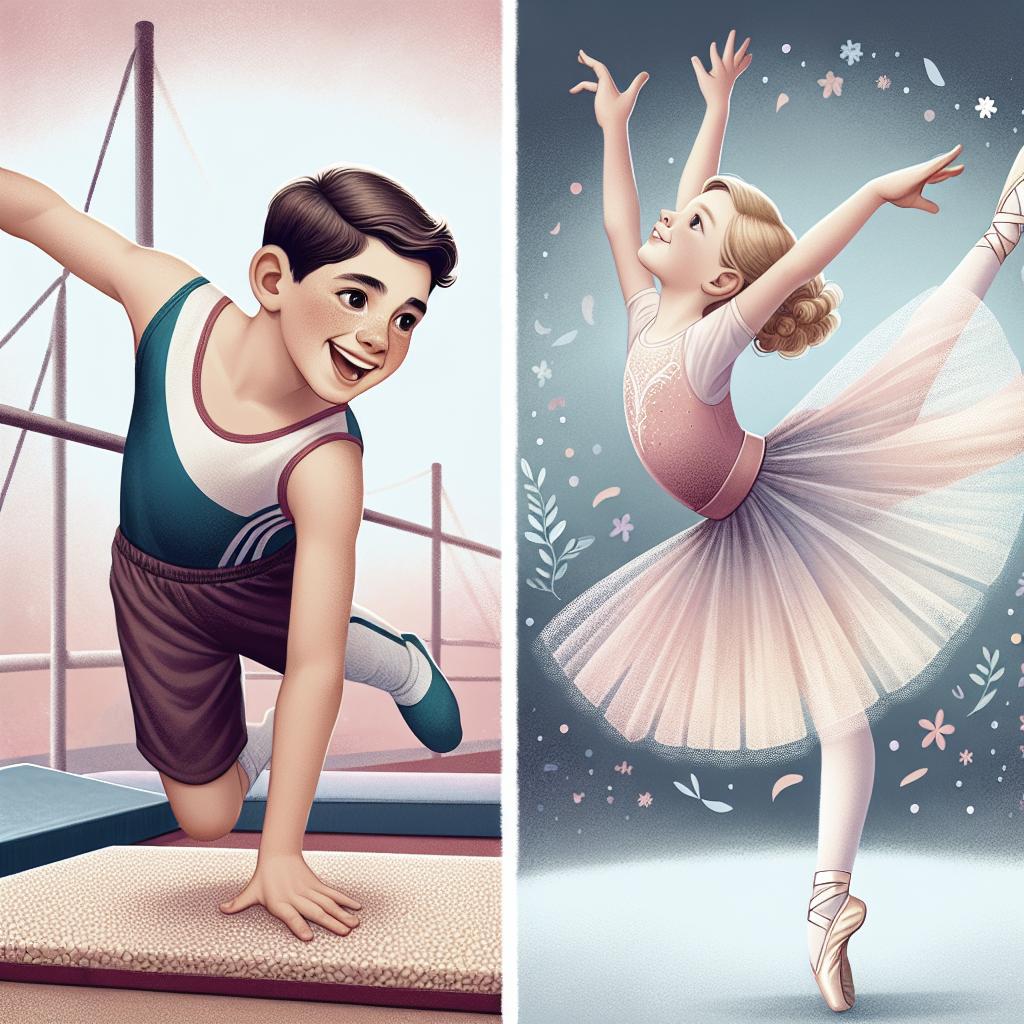
Dance is an art form that thrives on diversity and individuality. Each child, through dance, gets the opportunity to express their unique personality and style. More than just a series of movements, dance allows children to use their imagination and encourage creativity, thus allowing them to stand out and be different.
Moreover, dance accommodates all kinds of personalities—whether extroverted or introverted. While some children love performing in front of others, more reserved children find comfort in expressing themselves through movement. This freedom to be different nurtures self-esteem and confidence, forming an integral part of a child’s growth.
Dance classes foster an inclusive environment where children celebrate not just their own uniqueness but that of their peers. This mutual respect for diversity teaches them important life lessons, creating well-rounded individuals ready to thrive in a multicultural world.
2. Helps Them Burn Energy
With the increasing sedentary lifestyle among children due to digital distractions, dance offers a great outlet for energy. It is both fun and effective in promoting physical fitness. Through varied movement routines, children improve their cardiovascular health, flexibility, and muscle strength while enjoying themselves.
Dance is an excellent alternative for children who may not be inclined toward traditional sports. It combines discipline with creativity, ensuring they remain engaged while keeping fit. Regular dance classes promote the importance of an active lifestyle from a young age, instilling habits that contribute to long-term health benefits.
Additionally, burning off energy in dance classes can help children focus better in academic settings. Physical activity has been shown to enhance concentration and cognitive function, providing a natural boost to overall learning abilities.
3. Builds Meaningful Connections
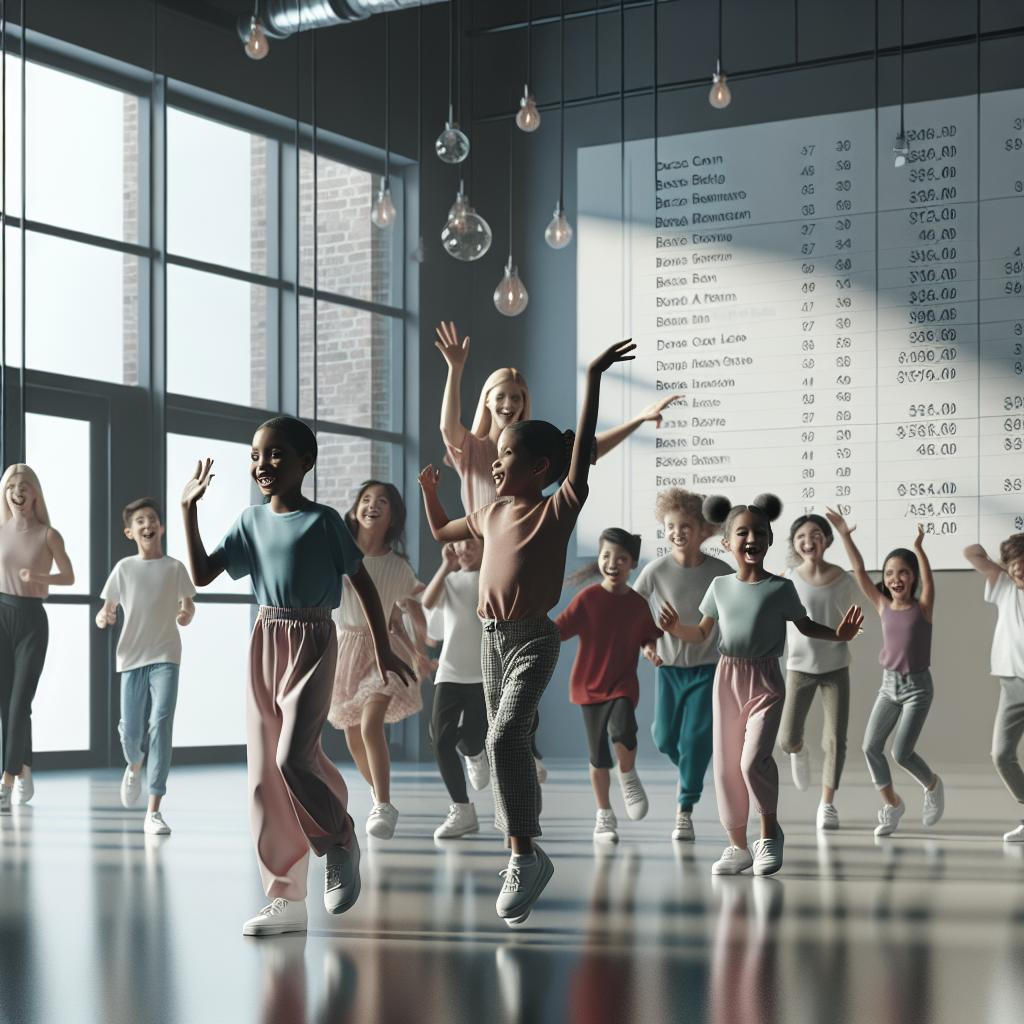
Dance classes are inherently social, offering children the chance to interact with peers who share similar interests. These classes create a community where children learn to work as a team, support one another, and celebrate each other’s successes. This camaraderie is invaluable in teaching important social skills and building lifelong friendships.
Participating in group performances and recitals further strengthens these connections as children collectively experience the joy of achievement and the thrill of being on stage. The shared experience creates a bond, encouraging children to appreciate teamwork and collaboration.
Such meaningful connections extend beyond the dance floor as children develop the social confidence to engage positively in various settings, leading to a broader social network and support system.
4. Builds Self-Discipline
Dance requires a significant level of dedication and discipline. From learning intricate routines to honing various techniques, each aspect of dance challenges children to focus, practice regularly, and strive for improvement. This fosters self-discipline, a crucial skill applicable to all life areas.
Instructors in dance classes often emphasize the importance of hard work and determination. As children see their efforts translate into progress and achievements, they learn the rewards of perseverance and goal-setting. This skill set is beneficial not only in dance but also in their academic pursuits and future careers.
Moreover, maintaining regular attendance and punctuality for dance lessons teaches children the importance of time management and responsibility, further enforcing self-discipline and organizational skills.
5. Reduces Stress
While childhood is often seen as a stress-free time, children are not immune to stress. Academic pressures, social challenges, and other factors can lead to feelings of anxiety. Dance provides an excellent outlet for releasing stress by promoting physical movement and creative expression.
The mind-body connection that dance nurtures offers a therapeutic effect. As children dance, they release endorphins, the brain’s feel-good hormones, which help combat stress and anxiety. Additionally, focusing on choreography and rhythm diverts their minds from worries, giving children a much-needed mental break.
The structured setting of a dance class provides a safe space for expression, allowing children to explore their emotions through movement. This emotional release contributes to overall well-being and helps build a resilient mindset that can effectively manage stress in the future.
Invest in Dance Classes for Children Today
Investing in dance classes is more than just an extracurricular activity; it’s an investment in your child’s development. The physical, mental, and social benefits that dance classes provide help shape well-rounded, confident, and healthy individuals. By introducing children to the world of dance, you open the door to a multitude of opportunities for personal growth and self-expression.
Whether they pursue dance professionally or simply enjoy it as a hobby, the skills and experiences gained from these classes are invaluable. Dance nurtures creativity, promotes fitness, fosters connections, builds discipline, and provides a joyful sanctuary in a busy world.
Consider enrolling your child in dance classes today and witness the transformative impact it has on their life, helping them grow into their best selves.
Summary of Main Points
| Benefit | Description |
|---|---|
| Allows Them to Be Different | Encourages individuality and creativity, boosting self-esteem and confidence. |
| Helps Them Burn Energy | Promotes physical fitness and active lifestyle while enhancing focus and concentration. |
| Builds Meaningful Connections | Encourages teamwork, social skills, and lifelong friendships through communal activities. |
| Builds Self-Discipline | Teaches dedication, perseverance, time management, and responsibility. |
| Reduces Stress | Offers a therapeutic outlet for stress and anxiety through physical and creative expression. |