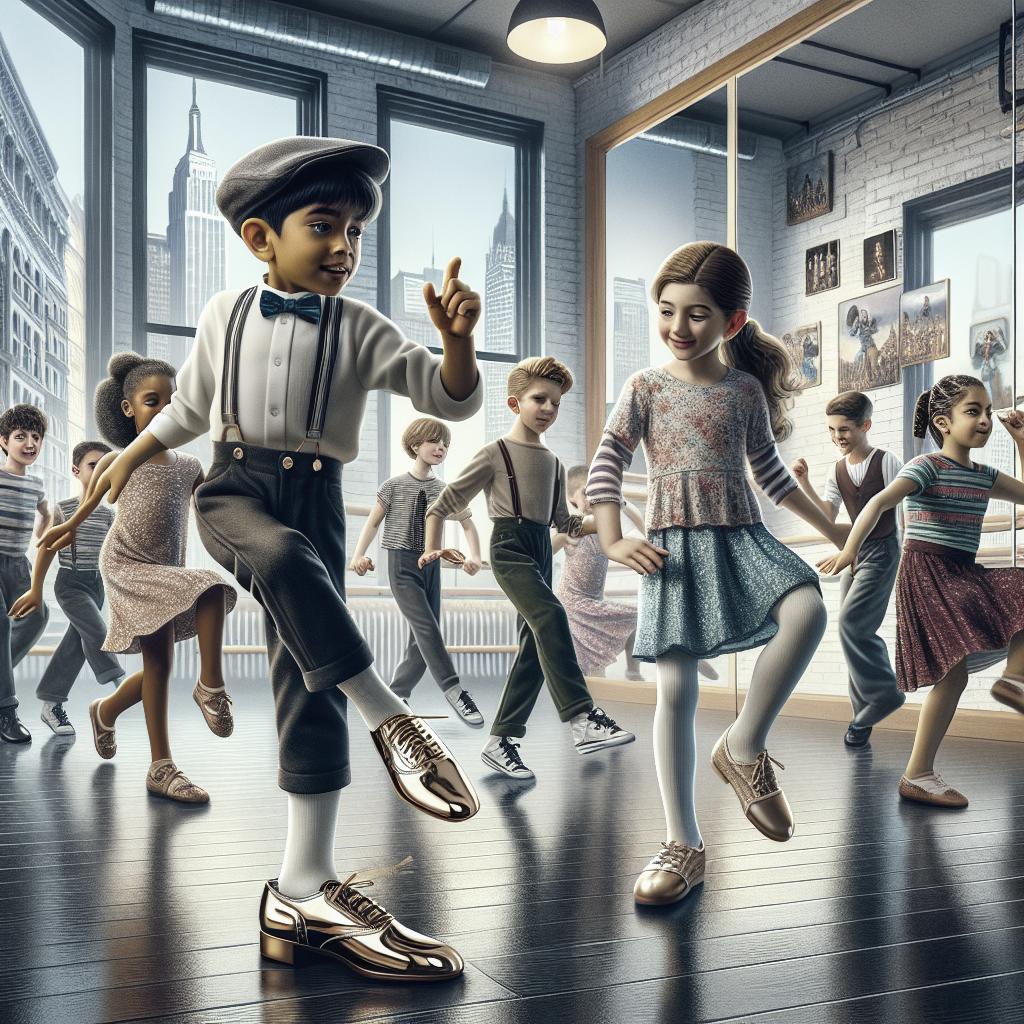
Tips to Learn Tap Dance for Beginners
Tap dance is a rhythmic and exciting art form that combines sound, movement, and creativity. Whether you’ve always admired tap performances or are simply in search of a fun new hobby, learning tap dance could be the perfect pursuit for you. In this guide, we will explore the key reasons to learn tap dance, the essential equipment you need, and basic techniques to get you started. We’ll also delve into the fundamental steps and tips to improve your practice, avoid common mistakes, and develop your musicality. Finally, we will highlight the numerous benefits of tap dancing. With dedication and regular practice, anyone can tap into the joy and energy of this dance form.
Why Learn Tap Dance?
Tap dance is not only a fun and energetic style of dance but also an excellent way to improve coordination and rhythm. It challenges both the body and mind, requiring precision and creativity. For those who love music and movement, tap provides a unique way to express themselves and connect with sounds.
Moreover, tap dance is accessible to people of all ages and skill levels. Whether you’re a complete beginner or have some dance experience, tap can offer something new and exciting to learn. It emphasizes personal growth, allowing dancers to express individuality through improvisation and musicality.
Essential Tap Dance Equipment
Tap Shoes
When starting tap dance, a good pair of tap shoes is essential. These shoes have metal plates, known as taps, attached to the heel and toe that create percussive sounds when striking the floor. Ensure your tap shoes fit well and are comfortable, as this will influence your tapping experience.
Tap shoes come in various styles, including full-sole and split-sole designs, offering different support and flexibility levels. As a beginner, you might prefer a lower heel, which can make balancing and learning new steps easier.
Clothing
Clothing plays an essential role in a tap dancer’s performance comfort. Opt for lightweight and breathable clothes that offer flexibility and ease of movement. T-shirts, tank tops, leggings, or dance pants are great choices.
Remember that fitted clothing allows instructors or yourself to observe body alignment and make necessary adjustments during practice. Baggy clothes might hinder movement or mask posture problems.
Dance Surface
While you can tap on many surfaces, choosing a dance-friendly floor can affect the quality of your practice. Hardwood or dance vinyl materials provide excellent acoustics and the right amount of slide and grip for tap shoes.
Avoid practicing on carpet or tile surfaces as they can muffle sounds or cause balance issues. Consider investing in a portable tap board if you practice at home.
Getting Started: Basic Tap Dance Techniques
1. Warm-Up
Just like any physical exercise, it’s essential to start with a proper warm-up. Warm-ups can include stretching, light cardio, and simple dance moves to prepare your muscles and prevent injuries.
Focus on ankle rotations, calf stretches, and foot exercises to ensure your feet and lower legs are ready to handle the tapping motions.
2. Basic Tap Steps
Once warmed up, begin with essential tap steps that serve as the building blocks for more complex routines. Learn the nuances of toe taps, heel drops, and brush steps slowly and accurately.
Master each step until you can perform it smoothly, ensuring you pay attention to the sound quality created. Good tap dance begins with clarity in sound and movement.
3. Timing and Rhythm
Understanding timing and rhythm is crucial, as tap dance revolves around creating percussive music with your feet. Start by practicing basic steps to a metronome to internalize timing.
Building rhythm skills enhances synchronization with music and improves overall dance performance, allowing your taps to align with beats and measures.
Learning Fundamental Tap Dance Steps
The Shuffle
The shuffle is one of the foundational steps in tap dance, consisting of a front brush followed by a back brush. It’s important for dancers to focus on generating a clear sound while maintaining control.
Start with small, deliberate motions and gradually increase your speed and fluidity as confidence grows.
The Ball Change
The ball change involves a quick weight transfer from one foot to the other. It’s a versatile step that is often used in transitions during routines.
This step requires good balance and timing. Practice slowly to ensure you can execute a seamless and quick exchange between feet.
The Flap
The flap is a combination step consisting of a brush and a step. It’s a dynamic move that requires propulsion to execute smoothly.
As you practice, focus on making the ‘flap’ sound distinct and crisp. This will enhance the overall sound quality of your tapping.
The Step-Heel
The step-heel involves stepping with the ball of the foot and then lowering the heel onto the floor quickly. It’s a simple but effective step to practice rhythm.
Try incorporating this into different musical rhythms to explore various timing combinations while maintaining focus on precision and clarity.
The Cramp Roll
The cramp roll is more complex, involving a sequence of steps and weight transfers. It typically follows a pattern: step, step, heel, heel.
This step requires coordination and timing to ensure each part of the sequence sounds clear. Start slowly, building up your speed as you become more comfortable with the movements.
Developing Musicality
Practice with Music
Dancing to music helps connect movement with sound, enhancing the sense of rhythm and enjoyment. Choose songs with clear beats to practice your tap steps effectively.
Experiment with different genres and tempos to challenge yourself and expand your musical repertoire.
Clap and Count
Counting aloud and clapping to the beat are excellent techniques for developing a strong internal sense of timing. It’s especially helpful when learning new steps.
Practice regularly with a metronome or backing tracks to hone your ability to keep time and adjust your tempo as needed.
Experiment with Improvisation
One of the unique aspects of tap dance is its allowance for improvisation. As you become more confident with basic steps, try creating your combinations and rhythm patterns.
Improvisation boosts creativity and enhances your ability to react to music intuitively, making you a more versatile dancer.
Tips for Beginner Tap Dancers
Start Slow
Beginners should focus on mastering steps at a slower pace before increasing speed. This ensures accuracy and helps build muscle memory.
Take your time with each movement, practicing each sound until you are satisfied with its clarity.
Listen to Your Feet
Pay attention to the sounds you create with your steps. Each tap should be clear and distinct. Listening carefully will guide you in adjusting movements for consistency.
Record your practice sessions to evaluate your performance and track your progress over time.
Be Patient
Learning tap dance is a journey that requires patience and perseverance. Progress at your own pace and avoid comparing yourself to others.
Consistent practice will yield improvements, and patience will keep you motivated through challenges.
Take Classes
Enrolling in tap dance classes offers structured learning and professional guidance. Classes provide an opportunity to interact with fellow learners and receive direct feedback from instructors.
If attending in-person classes is not feasible, consider online tutorials and virtual lessons from experienced dance teachers.
Practice Regularly
Regular practice is vital for improving tap skills and building muscle memory. Set a routine that allows for consistent practice sessions, even if they are short.
Stay committed to your practice schedule to reinforce what you learn and build a solid tap dance foundation.
Common Mistakes to Avoid
Overthinking
Overanalyzing steps can lead to frustration. Trust your practice and let your body move naturally to the rhythm.
Stay relaxed, enjoy the process, and focus on expressing yourself through dance rather than perfecting every minute detail.
Skipping Basics
Omitting foundational steps might hinder progress later. Mastering basic skills is fundamental to becoming a proficient tap dancer.
Prioritize a strong understanding of elementary steps before moving on to more complex techniques.
Neglecting Posture
Proper posture in tap dance helps with balance and fluidity. Maintain an upright stance with flexible knees to facilitate ease of movement.
Poor posture can lead to fatigue and improper technique, so be mindful of your body’s alignment throughout your practice.
Exploring Advanced Techniques
Once you have a comfortable grasp of beginner steps, explore more advanced techniques. Consider learning combinations or studying various tap styles that challenge you further.
Advanced tap dancing can introduce exciting elements such as fast footwork, intricate rhythms, and syncopation. Engaging in these challenges can deepen your passion and enhance your proficiency.
Benefits of Tap Dancing
Physical Benefits
Tap dance is an excellent cardiovascular exercise that strengthens your heart and lungs. It also works to tone leg muscles and improves core stability.
The physical activity involved in tap keeps the body fit, agile, and improves overall endurance.
Mental Benefits
Learning tap dance has cognitive benefits, such as improved memory, focus, and coordination. The mental challenge of learning and memorizing steps can be quite stimulating.
Dancing also provides an emotional outlet, reducing stress and promoting a sense of achievement and joy.
Social Benefits
Tap dance allows individuals to meet others who share similar interests. Whether in a class or performance setting, it’s an activity that fosters community and connection.
Collaborating with other dancers often brings a sense of camaraderie and teamwork, enhancing the social experience.
Lessons Learned
Tap dance is a rewarding artistic pursuit that offers numerous benefits. From improving coordination and rhythm to offering an emotional and social outlet, tap is a versatile and engaging dance style. By focusing on the basics, avoiding common pitfalls, and practicing regularly, beginners can develop strong foundational skills and progress toward more advanced techniques. With dedication and an open mind, tap dancing can be a lifelong passion that continues to bring joy and expressiveness.
| Section | Summary |
|---|---|
| Why Learn Tap Dance? | Tap dance improves coordination and rhythm, offers personal growth, and is accessible to all skill levels. |
| Essential Tap Dance Equipment | Includes tap shoes, appropriate clothing, and a suitable dance surface. |
| Getting Started: Basic Techniques | Focuses on warm-up, basic steps, and mastering timing and rhythm. |
| Learning Fundamental Steps | Explains foundational steps like the shuffle, ball change, and cramp roll. |
| Developing Musicality | Emphasizes practicing with music, using rhythm counts, and improvisation. |
| Tips for Beginners | Includes starting slow, listening to your feet, and practicing regularly. |
| Common Mistakes to Avoid | Highlights avoiding overthinking, missing basics, and neglecting posture. |
| Exploring Advanced Techniques | Encourages progressing to more complex steps and combinations. |
| Benefits of Tap Dancing | Covers physical, mental, and social benefits associated with tap dance. |
Related:
Explore more on dance techniques, types of dance, and beginner tips for other dance styles in our related articles.
Share this:
If you found this article helpful, feel free to share it with your friends and fellow dance enthusiasts!