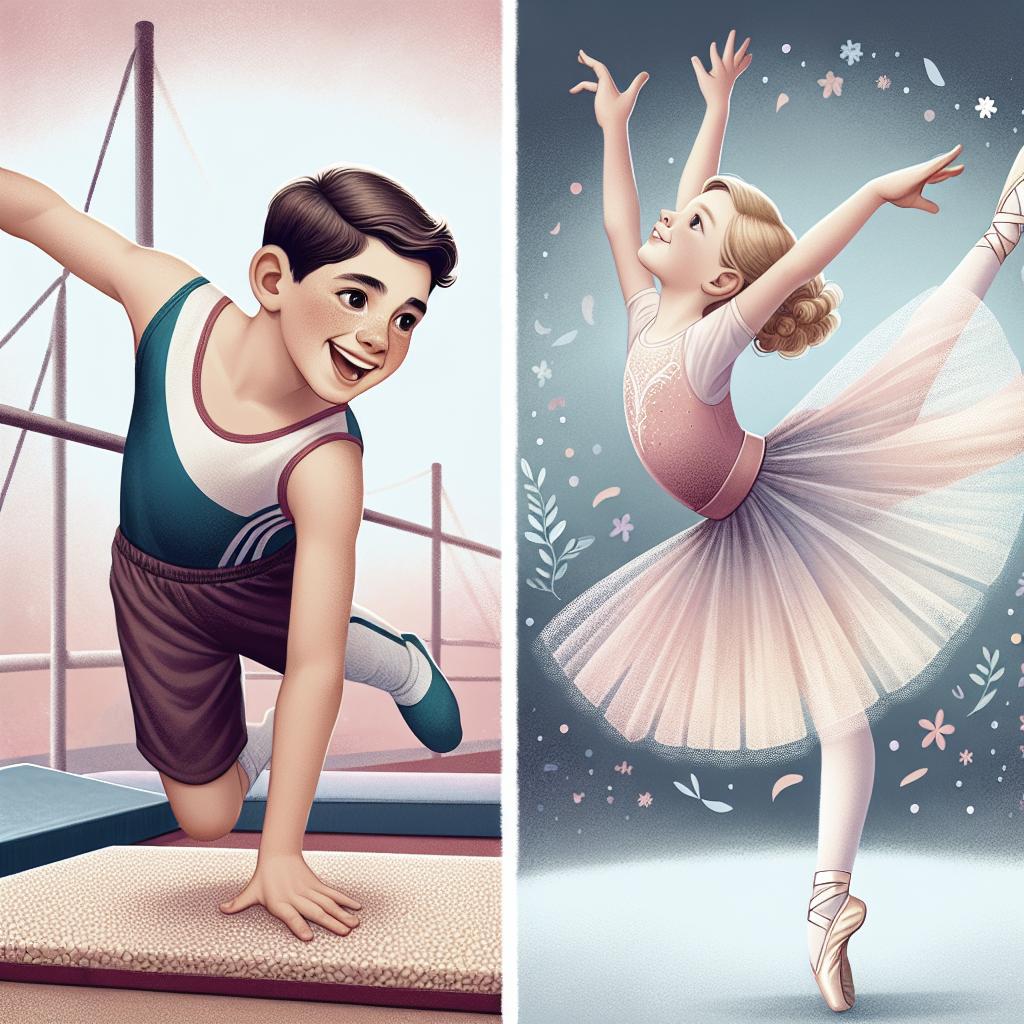
Things to Consider Before Enrolling Your Child in Dance
Enrolling your child in dance can be an exciting and rewarding experience. It teaches discipline, physical fitness, and creative expression. However, before you decide on the perfect dance studio, there are several vital factors you should consider to ensure a fruitful journey. From the qualifications of the instructors to the facilities at the studio, and even the financial commitment required, numerous elements play a part in shaping your child’s experience. This article will guide you through essential considerations by addressing common questions and providing insights to help you make an informed decision.
The Pros and Cons of Social Media for Dancers
Social media has transformed many fields, dance included. Its accessibility provides dancers an unprecedented platform to showcase their talents, learn new techniques, and connect with global audiences. This visibility was once available only through mainstream media or prestigious showcases, but today, aspiring dancers can reach millions with just a smartphone and a WiFi connection.
However, with this increased visibility comes the potential for negative exposure. Young dancers are especially vulnerable to unrealistic beauty standards and online criticism. Parents must be proactive in managing these risks by monitoring their child’s social media activity, engaging in open conversations, and emphasizing the importance of offline achievements and real-world social interactions.
Thus, while social media offers exciting opportunities for personal growth and exposure, it’s crucial to help young dancers maintain a balanced perspective, where online ‘likes’ do not overshadow their self-worth or passion for dance.
1. Are the instructors qualified?
When considering a dance studio, evaluating the qualifications of the instructors is arguably one of the most critical steps. Qualified instructors not only impart the technical fundamentals but also inspire and motivate students. Look for professionals with formal education in dance or substantial experience in teaching dance. Their background can include certifications from esteemed dance organizations or affiliations with prestigious dance companies.
Moreover, a balanced teaching style that combines discipline with encouragement is crucial. Qualified instructors should not only be adept dancers themselves but also skilled communicators capable of adapting their teaching methods to various learning styles. Their ability to foster both skill and joy in dance can significantly influence your child’s engagement and progress in the dance journey.
2. What are the safety standards at the studio?
Safety standards in a dance studio impact not just physical well-being but also the overall learning environment. A reputable dance studio should strictly adhere to safety guidelines regarding class size, instructor-to-student ratios, and the maintenance of premises. Adequate space ensures that students have enough room to practice without risk of collision or injury.
Additionally, studios need robust emergency protocols and first aid procedures. Parents should verify that the staff is trained to deal with common dance-related injuries and are well-equipped to handle emergencies. Observing these safety measures will ensure you select a studio where your child can safely explore their passion.
3. Is the goal to help students reach their potential, or to enhance the studio’s reputation?
A dance studio’s core objective can significantly affect your child’s learning experience. While some studios focus on cultivating each student’s unique potential and passion for dance, others may prioritize showcases and competitions to bolster their reputations. This is an important distinction. A nurturing environment will emphasize personal growth, creativity, and the joy of dancing.
Conversely, a studio with a primarily reputation-driven approach might focus more on their public image and the achievements of a select few. While this can still offer valuable opportunities, it might not cater to all students equally. For a balanced decision, inquire about the studio’s mission, observe sample classes, and speak with other parents to understand the environment better.
4. What type of flooring does the studio have?
The type of flooring in a dance studio is more than a comfort consideration—it’s a critical safety factor. Studios should ideally have sprung floors, designed to absorb shock and reduce the risk of injury. This type of flooring supports the dancer’s joints and can significantly prevent strains and other common dance injuries.
Hard flooring like concrete or non-cushioned surfaces can lead to painful impacts and add to the cumulative strain dancers might experience over time. Observing and questioning the studio’s choice of flooring will ensure an environment conducive to safe learning and practicing, safeguarding your child’s physical health through potentially rigorous training routines.
5. Can I watch the class every week?
Transparency is key to establishing trust and ensuring peace of mind when your child enters a new learning environment. Many parents prefer studios that offer observation opportunities, whether through an open-door policy or designated viewing sessions, allowing parents to witness their child’s development firsthand.
However, it’s important to balance this request with the need for a distraction-free learning environment. Some studios restrict access to maintain focus and foster independence in young dancers. Regardless of policy, regular communication between instructors and parents is vital. It allows parents to stay informed on progress and address any concerns that might arise during the course.
6. What is the dress code?
A well-defined dress code is a common feature in structured learning environments like dance studios. Proper attire is more than a matter of tradition; it ensures safety and facilitates ease of movement, allowing instructors to better assess and correct form and technique.
When evaluating studios, check if the dress code is reasonable and attainable. While some studios might require uniforms, others may allow more varied attire. Ensure the dress code aligns with your budgetary considerations and personal values, offering a balanced standard that prioritizes functionality and inclusivity.
7. How are students placed?
Student placement within classes should reflect both skill level and developmental appropriateness. Studios with systematic evaluation processes ensure that each student is challenged yet not overwhelmed, maximizing their potential and enjoyment of dance.
A studio’s placement process can include auditions, progression evaluations, or ongoing assessments. Open communication about placements reassures parents of objective, fair practices that respect each student’s unique pace, supporting a tailored learning journey that matches individual growth and abilities.
8. Do students compete?
Participation in dance competitions can offer valuable experience, teaching discipline, teamwork, and perseverance. However, it’s important to consider whether competitive dance aligns with your family’s values and expectations for the dance experience.
For some students, competition provides a motivating challenge, while for others, it might create unnecessary stress or overshadow the joy of dance. Understanding the studio’s competitive philosophy, frequency of events, and expected commitment levels will help you decide if this pathway matches your child’s interest and family dynamics.
9. Are there any additional performance opportunities?
Beyond competitions, studios may offer performance opportunities such as annual recitals, community showcases, or flash mob events. These experiences can be incredibly rewarding, giving dancers incentives to hone their skills and moments to shine before an audience.
Discuss with the studio what kinds of performances are available, their frequency, and the commitment required. Understanding these opportunities will help you gauge how performance considerations can fit your child’s schedule and passions, enriching their overall dance journey.
10. How long is each class?
The duration of dance classes varies greatly depending on factors such as the dancers’ age, skill level, and style of dance. Young or beginner dancers might benefit from shorter classes that maintain engagement without overwhelming them, while more advanced students might handle extended sessions to explore more complex routines and training.
Discuss with the studio what is appropriate for your child’s needs. Ensuring they are neither mentally taxed nor physically strained will help maintain their enthusiasm and energy for dance, facilitating a balanced, sustainable dance education experience.
11. Is a syllabus followed for each level?
A structured syllabus provides a clear framework for progression and ensures consistency in instruction across different classes and instructors. It can markedly enhance the learning outcome by providing a logical learning sequence and clear milestones.
Check if the studio follows a defined syllabus that aligns with recognized dance education standards. Understanding the curriculum ensures that your child will acquire a well-rounded dance education with tangible learning goals and achievements along the pathway.
12. And finally… how much will it cost?
Before enrolling your child, it’s crucial to understand the financial commitments required. Consider the cost of tuition, costumes, competition fees, and any additional expenses for workshops and accessories that may arise throughout the year.
Evaluate whether the studio’s offerings and opportunities justify the costs involved. Transparent fee structures and flexible payment options may ease the financial burden while supporting your child’s passion and progression in dance.
Next Steps
| Consideration | Summary |
|---|---|
| Instructors | Qualified instructors with formal education or experience are essential for skill and motivation. |
| Safety Standards | Ensure the studio adheres to safety protocols to prevent injuries and incidents. |
| Studio’s Goals | Determine whether the focus is on student growth or studio reputation enhancement. |
| Flooring | Verify that the studio uses sprung floors to safeguard students’ physical health. |
| Parental Observation | Check the studio’s policies on class visibility for parents. |
| Dress Code | Assess the reasonableness and accessibility of the dress code. |
| Student Placement | Understand the studio’s placement process and communication transparency. |
| Competitions | Know the studio’s competitive approach and the level of involvement required. |
| Performance Opportunities | Evaluate additional showcases and events offered by the studio. |
| Class Duration | Ensure the class length is age and skill-appropriate for sustainable learning. |
| Syllabus | Check for a structured curriculum that follows accredited standards. |
| Cost | Consider all financial obligations and weigh them against the benefits provided. |